The way we use electricity in our homes has changed significantly. From air conditioning and induction cooktops to home offices, large appliances, electric vehicle chargers and solar systems, modern households often rely on more electrical equipment than ever before increasing demand on your switchboard.
While these additions make everyday life more convenient, they also place greater demands on a home’s electrical system. One important component that needs to keep up is the switchboard.
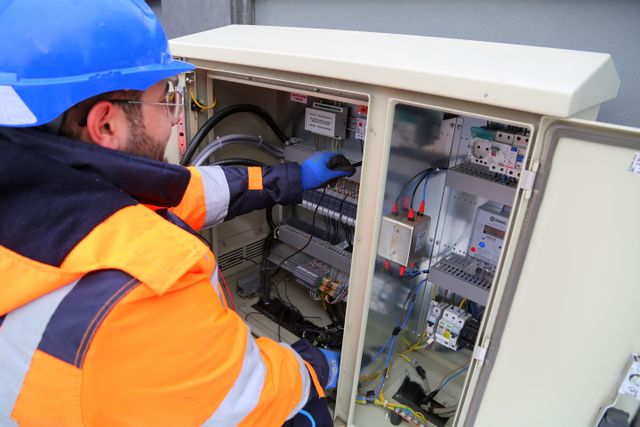
Your switchboard is the central point where electricity is distributed throughout your property. It houses protective devices designed to help manage electrical circuits and reduce the risk of electrical faults. If your switchboard is outdated, damaged or unsuitable for your household’s current needs, it may be time to have it professionally assessed.
At Sparc Electrical, we service North Brisbane and the Sunshine Coast, helping homeowners understand their electrical requirements and identify when switchboard upgrades or repairs may be needed.
What Does Your Switchboard Actually Do?
Your switchboard receives electricity from the supply network and distributes it to the different circuits throughout your property. These circuits may supply lighting, power points, kitchen appliances, air conditioning, hot water systems and other electrical equipment.
The switchboard also contains protective devices that help protect people and property from electrical hazards.
Depending on its age and design, a switchboard may contain circuit breakers, fuses and safety switches. These devices have different functions.
Circuit breakers are designed to interrupt the electrical supply when a circuit experiences an overload or short circuit. This helps protect electrical wiring from excessive current.
Safety switches, also known as residual current devices (RCDs), monitor the flow of electricity and disconnect the supply when they detect an imbalance that may indicate current leaking to earth. This can help reduce the risk of electric shock.
It is important to understand that circuit breakers and safety switches do not perform exactly the same function. Having one does not necessarily mean you have the protection provided by the other.
A licensed electrician can assess the devices installed in your switchboard and explain whether they provide appropriate protection for your property’s electrical installation.
Why Modern Homes Place Greater Demands on Switchboards
Older homes were often designed around a different pattern of electricity use. A typical household might have relied on basic lighting, a refrigerator, a television and a relatively small number of power points.
Today, many homes have considerably more electrical equipment operating throughout the day.
Air conditioning is a good example, particularly in Queensland, where hot and humid conditions can make cooling an important part of everyday life. Some properties also have multiple air conditioning units operating at the same time.
Other common additions include:
- Induction cooktops and electric ovens.
- Dishwashers and additional kitchen appliances.
- Clothes dryers and washing machines.
- Home office equipment and computer systems.
- Pool pumps and outdoor electrical equipment.
- Solar photovoltaic systems and battery storage.
- Electric vehicle charging equipment.
Each installation has its own electrical requirements. Adding new equipment without considering the capacity and condition of the existing electrical installation can create problems.
An electrician may need to assess the switchboard, existing circuits, electrical supply arrangements and proposed equipment before determining whether changes are required.
Warning Signs Your Switchboard May Need Attention
You should never ignore signs that your switchboard may have an electrical problem. While some issues are obvious, others may only become apparent during a professional inspection.
Here are several warning signs worth taking seriously.
Frequently Tripping Circuit Breakers
A circuit breaker that repeatedly trips may indicate an overloaded circuit, a faulty appliance, damaged wiring or another electrical problem.
It is not always a sign that the entire switchboard needs replacing. However, repeatedly resetting a breaker without investigating the cause is not a solution.
A licensed electrician can identify the reason for the tripping and recommend appropriate repairs or changes.
Older Fuse-Based Switchboards
Some older properties still have switchboards containing traditional rewirable fuses.
These installations may not provide the same level of protection and convenience as modern switchboards fitted with suitable circuit breakers and safety switches.
The presence of an older switchboard does not automatically establish that it is unsafe, but it is a good reason to arrange an assessment, particularly if the property has undergone renovations or additional electrical equipment has been installed.
Burning Smells, Discolouration or Heat
A burning smell, visible scorching, melted components or unusual heat around a switchboard can indicate a serious electrical fault.
These symptoms should never be ignored. Do not touch damaged components or attempt to investigate the problem yourself. Keep people away from the affected area and arrange urgent assistance from a licensed electrician. If there is smoke or fire, move to safety and contact emergency services.
Limited Space for Additional Circuits
If you are planning a renovation, installing air conditioning or adding an electric vehicle charger, your existing switchboard may not have sufficient space or suitable arrangements for the additional circuits.
An electrician can determine whether the existing board can be safely modified or whether an upgrade is the more appropriate option.
Missing or Inadequate Safety Switch Protection
Safety switches are an important part of electrical protection. Older switchboards may not have safety switches installed across all relevant circuits.
A professional inspection can establish what protection is present and whether improvements are required under the applicable electrical safety requirements.
What Is Involved in a Switchboard Upgrade?
A switchboard upgrade involves more than simply replacing an old box with a newer one.
The electrician needs to consider the property’s electrical installation, existing wiring, circuit arrangements, supply requirements and the equipment the household currently uses.
Depending on the condition and configuration of the installation, an upgrade may involve replacing outdated components, installing appropriate circuit breakers and safety switches, improving circuit identification and arranging the board to accommodate additional circuits.
The electrician may also identify issues elsewhere in the installation that need attention before the new switchboard can be safely commissioned.
Not every property requires a complete replacement. In some cases, targeted improvements may be suitable. In others, the condition or design of the existing installation may make a more comprehensive upgrade appropriate.
The right solution depends on an assessment of the individual property rather than simply its age.
Planning to Install Solar, Batteries or an EV Charger?
If you are considering adding new technology to your home, it is worth reviewing your switchboard before installation begins.
Solar systems, battery storage and electric vehicle chargers have specific electrical and installation requirements. Their suitability depends on the existing installation, available capacity, equipment specifications and applicable standards.
For example, an electric vehicle charger may require a dedicated circuit and appropriate protective arrangements. A solar or battery installation may also require changes to the switchboard to accommodate the equipment and its connection to the electrical installation.
Planning ahead can help identify potential issues before work starts. It also allows the electrician and other relevant installers to consider how the new equipment will integrate with the existing electrical system.
If you are renovating or building an extension, this is another good opportunity to review your switchboard requirements.
Why Professional Switchboard Inspections Matter
Switchboards contain electrical components that can present serious hazards if handled incorrectly. Removing covers, testing circuits or modifying wiring should never be treated as a DIY project.
A licensed electrician can inspect the switchboard and assess its general condition, protective devices, circuit arrangements and suitability for the property’s electrical requirements.
An inspection may identify:
- Damaged or deteriorated components.
- Outdated protective devices.
- Missing circuit identification.
- Evidence of overheating or poor connections.
- Insufficient provision for additional circuits.
- Electrical issues that require further investigation.
The electrician can then explain any concerns and outline the recommended work.
The goal is not to replace equipment unnecessarily. It is to ensure the electrical installation is appropriately assessed and that any recommended improvements address genuine safety, compliance or capacity requirements.
Keeping Your Switchboard Safe
There are several simple precautions homeowners can take to help maintain a safe electrical environment.
Keep the area around your switchboard clear and accessible. Avoid storing household items against it or obstructing access. Make sure household members know where the switchboard is located and understand that electrical components should not be handled by unqualified people.
Safety switches should also be tested according to the manufacturer’s instructions and applicable guidance. If a safety switch does not operate correctly during testing, arrange an inspection by a licensed electrician.
Never ignore unusual smells, buzzing sounds, visible damage or repeated tripping. These can be signs that something needs professional attention.
It is also worth arranging an electrical assessment when purchasing an older property, undertaking substantial renovations or planning to install major electrical equipment.
Sparc Electrical Services North Brisbane and the Sunshine Coast
Your switchboard plays an essential role in the safety and operation of your home’s electrical installation. As household electricity use changes, it is important to make sure your electrical system remains suitable for your needs.
Sparc Electrical services North Brisbane and Sunshine Coast areas, assisting homeowners with electrical work and switchboard requirements. Whether you have an older fuse-based switchboard, are experiencing recurring circuit problems or are planning to install new electrical equipment, getting professional advice is a sensible first step.
Every property is different, and the right approach depends on the condition of the existing installation and the electrical demands of the household.
If you are unsure whether your switchboard is ready for modern electrical demands, contact Sparc Electrical to discuss arranging an assessment. A properly assessed and maintained electrical installation can help give you greater confidence as your household’s electrical needs continue to grow.