
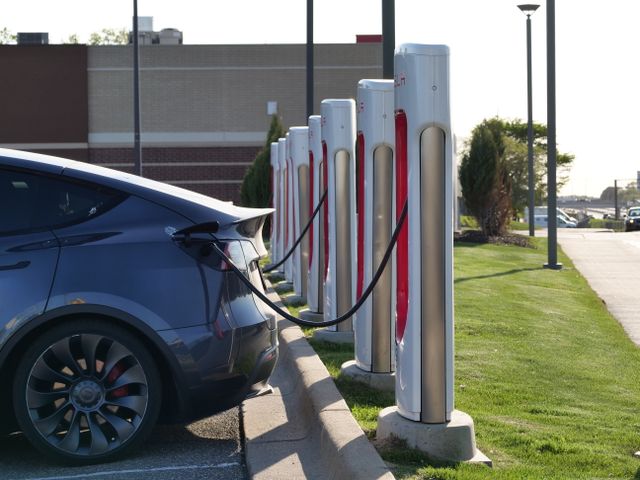
Electric vehicles and are becoming an increasingly familiar sight on Queensland roads. As more Brisbane homeowners consider making the switch to electric motoring, one important question comes up: how do you charge an electric vehicle safely and conveniently at home? How do I build my EV Charger?
While some electric vehicles can be charged using a standard household power outlet, many owners choose to install a dedicated home charging station. A properly selected and installed EV charger can make everyday charging more convenient, provide a suitable charging arrangement for your vehicle and help you make better use of the time your car is parked at home.
However, installing an EV charger involves more than mounting a unit on the garage wall and plugging it in. Your home’s electrical capacity, switchboard, wiring, charger specifications and installation location all need to be considered.
Sparc Electrical services North Brisbane and Sunshine Coast areas, helping homeowners with their electrical requirements. If you are considering installing an EV charger, here are some important things to understand before getting started.
Can You Charge an Electric Vehicle Using a Standard Power Point?
Most electric vehicles are supplied with equipment that allows charging from a suitable standard household power outlet. This can be useful for occasional charging or for drivers who travel relatively short distances and have plenty of time to recharge.
However, standard power points generally provide slower charging than dedicated EV charging equipment. Charging times depend on the vehicle, its battery capacity, the charging equipment and the available electrical supply.
A standard outlet should never be assumed to be suitable for prolonged high-load operation simply because it can physically accept the charging plug. The condition of the outlet, its wiring, circuit protection and the electrical circuit supplying it all matter.
If you intend to charge your vehicle regularly at home, a dedicated charging installation may be a more practical option. An electrician can assess your existing electrical installation and help determine the appropriate arrangement.
What Is a Home EV Charger?
A home EV charger, often called an electric vehicle supply equipment unit or EVSE, provides the connection between your home’s electrical supply and your vehicle.
Most residential charging units are designed for AC charging. The vehicle’s onboard charger converts the supplied alternating current into the direct current required to charge its battery.
Home charging equipment is available in different configurations and power ratings. The appropriate choice depends on the vehicle’s charging capabilities, the electrical supply available at the property and how quickly you want to recharge.
A higher-rated charger does not automatically mean your vehicle will charge faster. The vehicle itself has a maximum AC charging capability, and the electrical installation must also be able to support the selected equipment.
Before purchasing a charger, it is worth checking the vehicle manufacturer’s specifications and discussing the options with a licensed electrician.
Does Your Brisbane Home Have Enough Electrical Capacity?
One of the most important considerations before installing an EV charger is whether your home’s electrical installation can accommodate the additional load.
Many existing homes were not designed with electric vehicle charging in mind. They may already have significant electrical demand from air conditioning, electric hot water systems, cooking appliances, pool equipment and other household loads.
Adding an EV charger can increase the overall demand placed on the electrical supply.
An electrician should assess the existing installation and consider factors such as:
- The property’s available electrical supply capacity.
- Whether the home has a single-phase or three-phase supply.
- The condition and capacity of the existing switchboard.
- Existing circuits and household electrical loads.
- The proposed charger’s rated power and installation requirements.
- Whether additional electrical work or supply arrangements are necessary.
In some homes, the existing installation may be suitable with relatively minor work. Other properties may require switchboard modifications or further assessment before a charger can be installed.
It is important not to assume that a home can support any charger simply because it has available space in the switchboard.
Single-Phase or Three-Phase Power: What Is the Difference?
Residential properties may have single-phase or three-phase electrical supplies. This can influence the charging equipment that can be installed and the charging power available.
Single-phase supplies are common in Australian homes and can support many residential EV charging installations. Three-phase supplies can provide access to higher charging power where the vehicle and charging equipment support it.
However, the actual charging rate is determined by several factors, including the supply arrangement, charger rating, vehicle capability and any applicable installation limitations.
A three-phase charger will not necessarily deliver its maximum rated output to every electric vehicle. Similarly, upgrading a property to three-phase power is not automatically necessary just because a homeowner wants a dedicated EV charger.
An assessment of your current supply and expected charging needs will help establish whether your existing arrangement is suitable.
Why Your Switchboard Needs to Be Checked
Your switchboard is central to the safety and operation of your home’s electrical installation. It distributes electricity to different circuits and houses protective devices that help manage electrical faults.
An EV charger will generally require an appropriately designed circuit and suitable protection in accordance with the equipment manufacturer’s requirements and applicable electrical standards.
Before installation, an electrician should inspect the switchboard to determine whether it can accommodate the additional circuit and associated protective equipment.
Older switchboards may need attention, particularly if they contain outdated components, lack suitable protection or have insufficient capacity for the proposed work.
A switchboard upgrade is not automatically required for every EV charger installation. The decision depends on the condition and configuration of the existing installation and the requirements of the new equipment.
If improvements are needed, identifying them before the installation begins can help avoid unexpected complications.
Choosing the Right Location for Your EV Charger
The location of your charging unit can make a significant difference to everyday convenience.
For many Brisbane homeowners, the garage is a practical choice because the vehicle can be parked close to the charger and the equipment can be protected from direct weather exposure.
However, not every property has an enclosed garage. Some homeowners may need an outdoor installation or a charger positioned in a driveway or carport.
When choosing a location, consider:
- Where the vehicle is normally parked.
- The length and reach of the charging cable.
- Whether the cable can be used without creating a trip hazard.
- Protection from weather and potential physical damage.
- Access to the charger and its controls.
- The route required for electrical cabling.
- Manufacturer requirements for mounting and clearances.
The charger should be positioned so that connecting and disconnecting the vehicle is straightforward. The installation must also comply with the equipment manufacturer’s instructions and applicable electrical requirements.
An electrician can assess the property and identify a suitable location before installation work begins.
Smart EV Chargers and Managing Household Electricity Use
Some modern EV chargers include smart features that allow charging to be scheduled or controlled through an application.
Depending on the equipment and available configuration, these features may allow homeowners to choose charging periods, monitor energy use or adjust charging settings.
Scheduled charging can be useful for households that prefer to charge their vehicles at particular times. Some electricity retailers offer electricity plans with different rates at different times, although the availability and suitability of these plans depend on the individual customer and retailer.
Certain charging systems can also be configured to work with compatible solar installations. This may allow some available solar generation to be directed towards vehicle charging, depending on the system design, household consumption and control equipment.
Smart features are not essential for every household. The best option depends on how you use your vehicle, your electricity arrangements and the features you actually need.
Can You Charge Your EV Using Solar Power?
If your home already has solar panels, you may be interested in using some of your solar generation to charge your electric vehicle.
This can be possible with compatible equipment and an appropriately configured installation. However, solar charging depends on more than simply having panels on the roof.
Your home’s electricity consumption, solar generation, charger settings and vehicle charging requirements all influence how much solar electricity can be used for charging.
For example, household appliances may use some of the electricity being generated during the day. The amount available for vehicle charging will vary according to the time of day, weather conditions and household demand.
Some smart charging systems can respond to available solar generation, but their capabilities differ. It is important to check compatibility between the solar system, charger and any energy management equipment before purchasing.
What Happens During a Professional EV Charger Installation?
The installation process begins with assessing the property and understanding the homeowner’s charging requirements.
The electrician needs to establish where the charger will be located, what equipment is being installed and whether the existing electrical installation can support it.
Depending on the property, installation work may involve running a dedicated circuit, installing appropriate protective devices, making switchboard modifications and mounting the charging equipment.
The installation must comply with applicable Australian electrical safety requirements, relevant standards and the manufacturer’s instructions. Any necessary testing and verification should be completed before the equipment is put into service.
The electrician should also explain the basic operation of the charger and any important instructions relating to its use.
The amount of work involved varies considerably between properties. A charger installed close to a suitable switchboard may require a different amount of work from one located a considerable distance away or on the opposite side of the house.
For this reason, an assessment is the best way to understand what your particular installation will involve.
Why Professional Installation Matters
EV charging equipment places an ongoing electrical load on your home’s installation. Incorrect wiring, unsuitable circuit protection or an inadequate supply arrangement can create electrical safety risks.
Installation should be carried out by a suitably licensed electrical contractor in accordance with Queensland electrical safety requirements.
Homeowners should avoid attempting to install fixed charging equipment themselves or modifying existing electrical circuits to accommodate a charger.
A professional installation helps ensure that the equipment is correctly connected, appropriate protection is provided and the completed work is tested.
It also gives you an opportunity to discuss practical considerations such as charger placement, future electrical upgrades and the charging needs of your household.
Arrange Your EV Charger Installation with Sparc Electrical
Installing an EV charger is an important step towards making electric vehicle ownership more convenient. The right equipment and installation arrangement can help ensure your home is prepared for regular charging.
Before choosing a charger, consider your vehicle’s capabilities, your daily driving requirements, your home’s electrical capacity and where you want the unit installed. Having these details assessed beforehand can help you make an informed decision.
Sparc Electrical services North Brisbane and Sunshine Coast areas, assisting homeowners with electrical installations and upgrades. If you are considering a home EV charger, Sparc Electrical can help assess your property’s electrical requirements and discuss the work involved.
Whether you have an existing solar system, are building a new home or simply want a convenient way to charge your electric vehicle overnight, professional electrical advice is a sensible place to start.
Contact Sparc Electrical to discuss your EV charger installation and find out what your home needs to support safe and practical electric vehicle charging.